And Calls Itself Intelligent
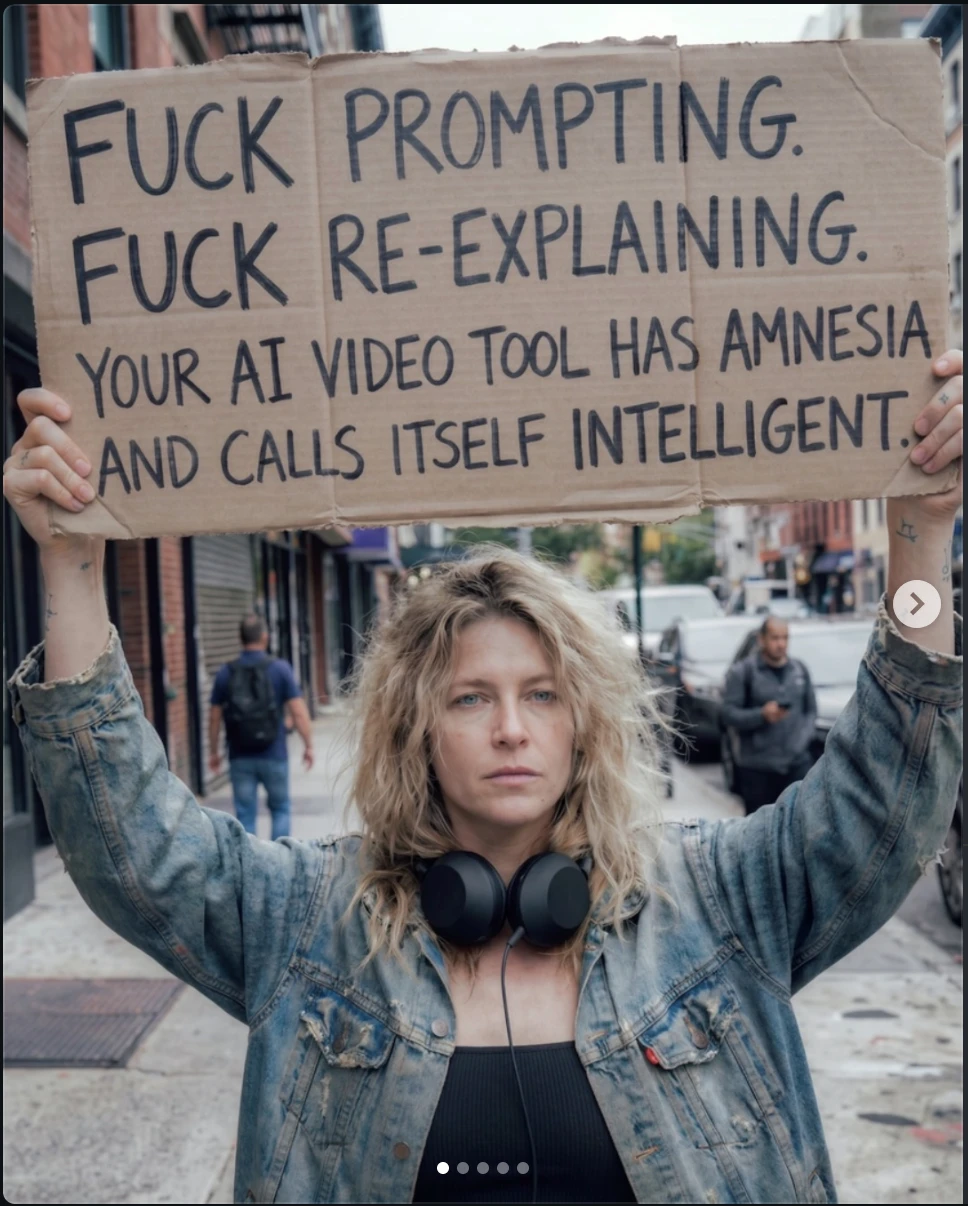
View post“Fuck prompting. Fuck re-explaining. Your AI video tool has amnesia and calls itself intelligent.”
This was a product launch, not an open playing field. Agent One had to be communicated, and three parameters were fixed before a single idea was allowed on the table. What follows is the story of how five manifestations were arrived at - and how each one built on the last until one of them could be handed to 150 creators.
This is what the situation always looks like when you have a very specific campaign, a feature launch or a product launch. The playing field narrows, and all the content-market-fit work happens on top of parameters that are already fixed.
On the virality side, the who-gets-what was macro: AI creatives should understand that invideo AI is the place where they can come and create the best content. That is a broad container - almost anything true to it could be built.
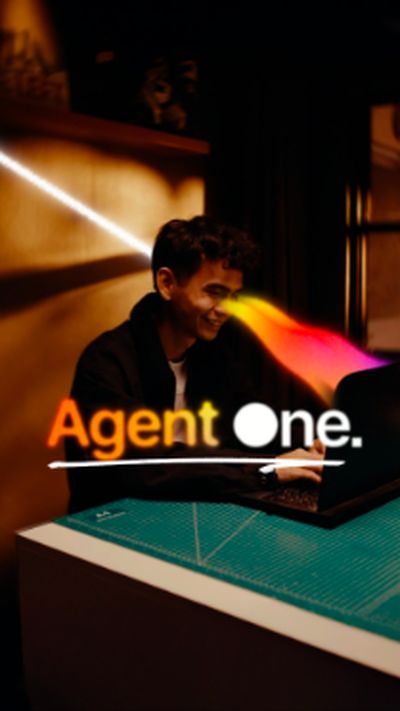
A launch is narrower. Here you are going after the messaging itself, and it stays consistent across every post: there is a new product called Agent One, and it is a completely agentic take on things. That is not a theme to interpret. It is a message to land.
Every post here is built on these two, and nothing else was allowed to crowd them out.
You don't have to prompt at all. You just talk to it, and it deciphers the rest and does everything that is needed.
On other platforms you hand over a set of parameters - a camera lens, a grain, a look and feel, a location - and it remembers none of it. Agent One holds the context. Give it once, and every generation stays inside it.
Alongside the who-gets-what sits the question of how - the psychographic layer. How do they want to be spoken to? What are their current anxieties? How do you speak to them to communicate in the best way possible?
Here the answer followed from the product itself. Because Agent One acutely solves two very big pain points, a conscious choice was made: no heavy packaging, no philosophical coverage laid on top of the barebone structure.
When the product genuinely solves the pain, decoration works against you. Anything you add on top reads as something you're hiding behind.
A launch is judged differently from a virality play. The job was to land a message and find a format that could travel - and the retention numbers are where that shows.
Average watch time across these reels runs 9s, 13s, 15s and 14s. Three of those four beat every watch time in the virality work. That is parameter 03 working: when the post is the product doing the thing, people stay to watch it finish.
Reach is the wrong scoreboard for a launch. Watch time is the one that tells you whether the message landed and signals to you if this brief is ready to be shipped to hundreds of creators.
These are not five separate attempts at the same thing. View them as a sequence of attempts, each one trying to better the delivery of the message and the format, so that eventually you get a manifestation that can ship to hundreds of creators.
The first two announcements were focussed on locking the verbatim language used for the messaging. The third was focussed on locking the edit style and treatment. The fourth and the fifth are where all creative alleviation happens.
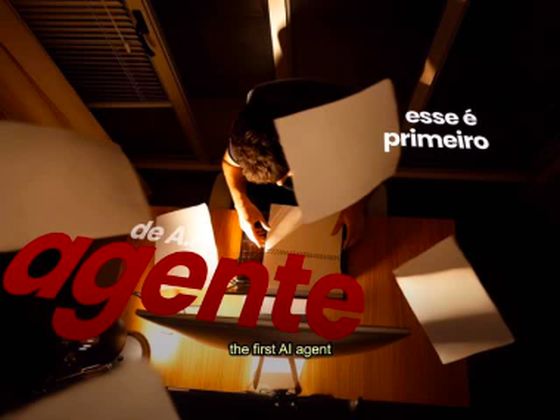
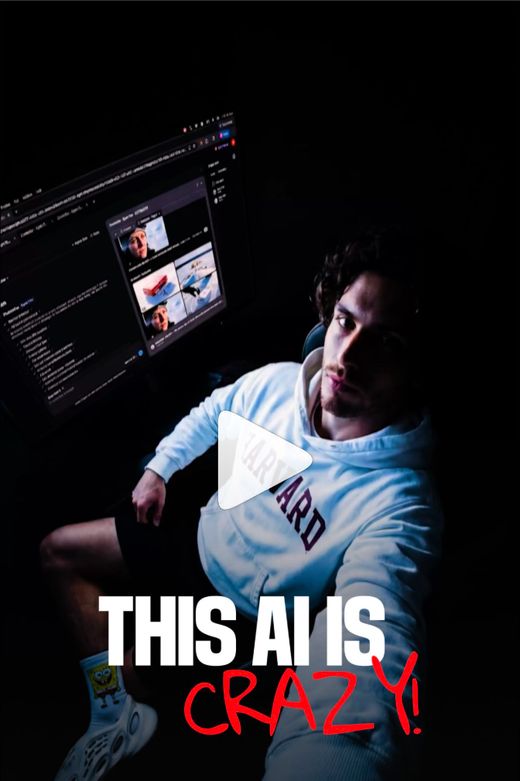
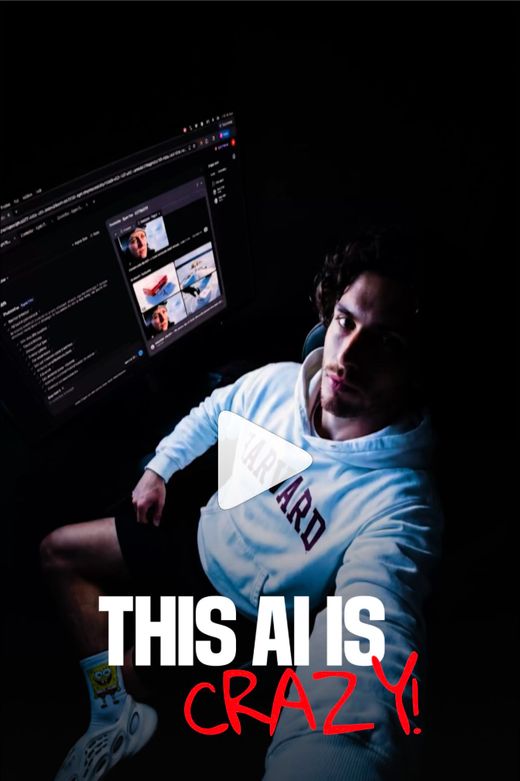
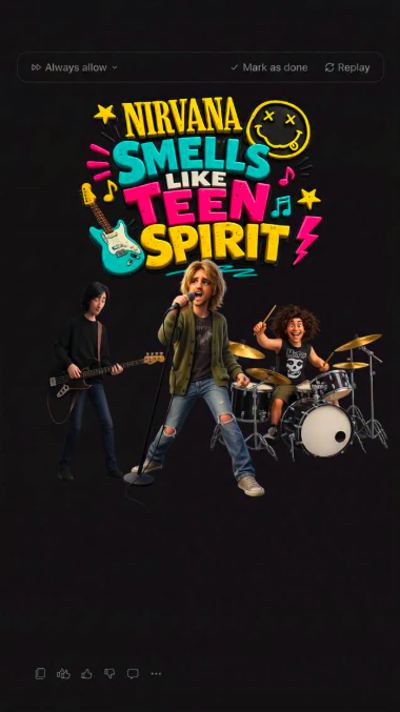
The rawest manifestation. This post exists because the verbiage had to be nailed down - the exact words for why the two unlocks mattered. It is a writing exercise that was made public - and once the message was locked, it became the first brief out of the door.

“Fuck prompting. Fuck re-explaining. Your AI video tool has amnesia and calls itself intelligent.”
The task was to communicate the importance of the two big unlocks: you don't have to prompt, and the thing actually remembers. The second one needed a way in - on other platforms you specify a camera lens, a grain, a look and feel, a location, and none of it survives to the next generation.
The wording that finally hit: it is like dealing with an employee who had amnesia. That got written down first, before there was any post.
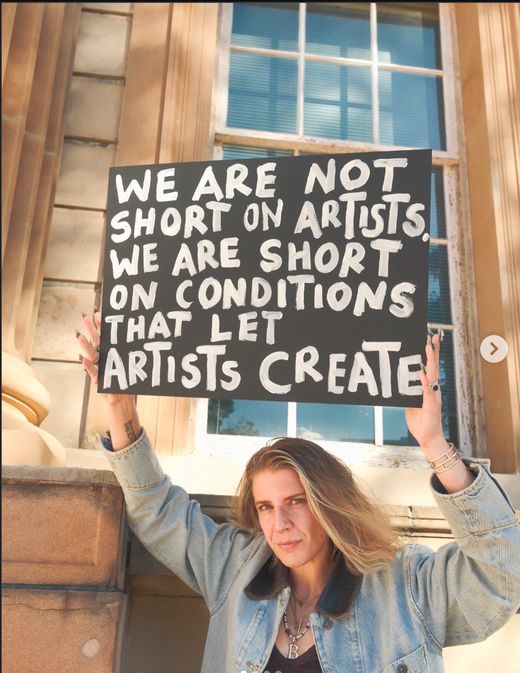
Then came the format. A placard post from another page - a construct seen before, someone holding up a hand-lettered sign - was the right container for exactly this. It got workshopped quickly and went live.


Another wording of the same problem statement, or a different pain expressed the same way. The locked line itself became the brief: creators knew exactly what to say, and said it in their own videos.
Half an hour at best. Deliberately low quality as a visual - that was the objective, and it still did exceedingly well.
The central core tenet of what the product stood for. Shipped straight to creators as the message to land, so they knew exactly what to say - and a lot of love in the comments on the post itself.
There was no format to hand over yet - only the words. But locking the message was enough to get the first brief out of the door. Creators now knew exactly what to say: you don't have to prompt, and it doesn't forget. Each one manifested it in their own video, in their own language, and amplified the same message with laser-sharp precision.
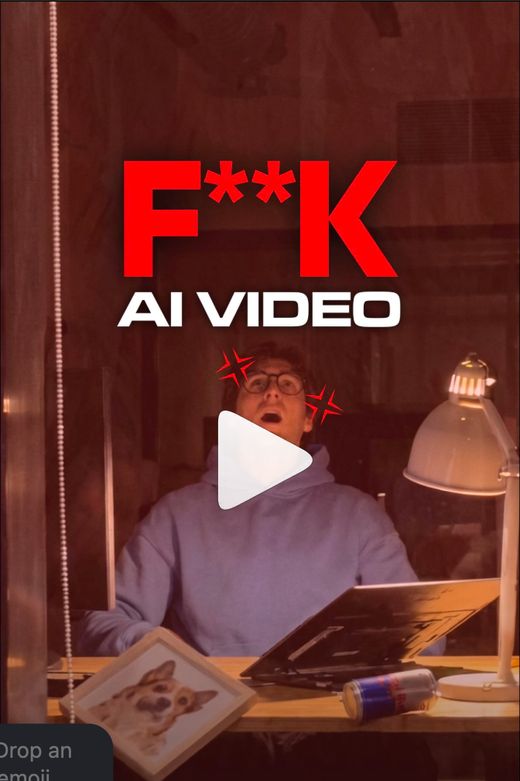
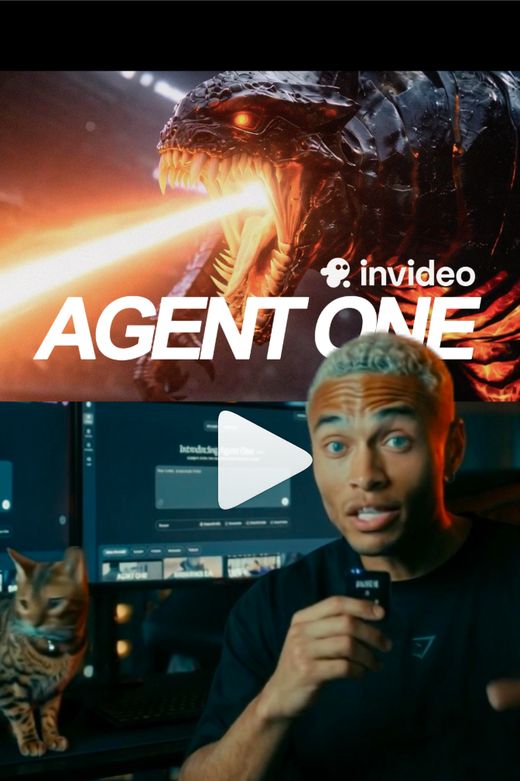
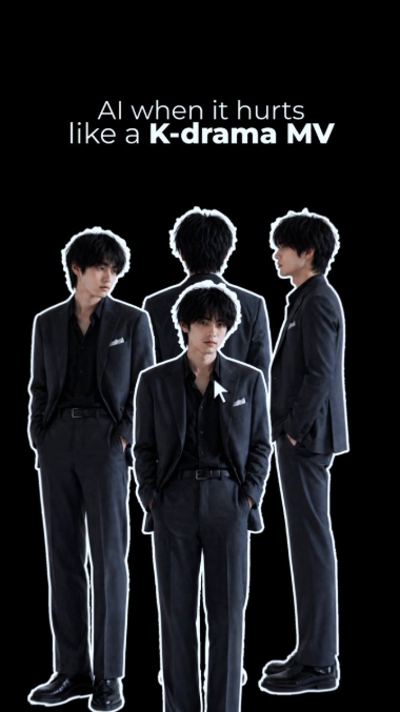
The same insight, made more visually strong and more dramatic - and given a better personification of who actually faces the problem. Built so it could run as an ad for Agent One.

The grievance moved into a frustrated-creator scene - the anxiety staged as a feeling rather than written on a sign.
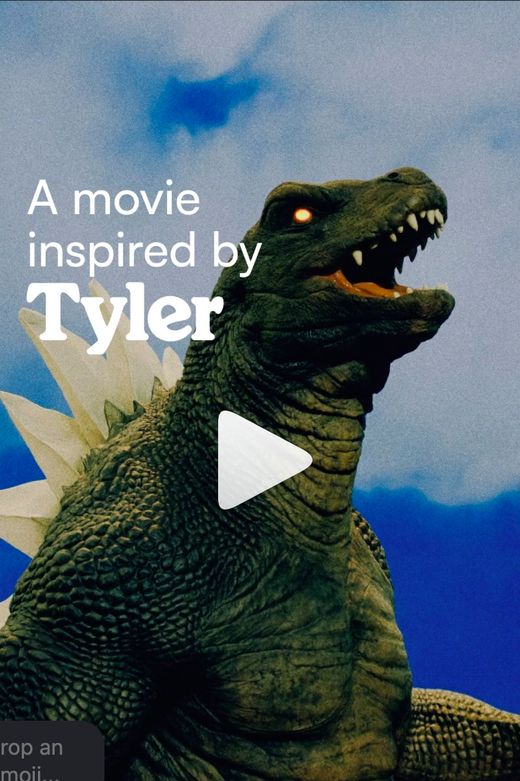
The intent was to amp up the drama. The search was for something punnier and more dramatic that carried the identical insight. The reference that came to mind was the opening of The Wolf of Wall Street - the voiceover announcing “My name is Jordan Belfort. Not him, me” while the shot is on DiCaprio throwing another man at the dartboard.
That misdirect-then-reveal on who we are actually talking about is what the entire concept was constructed out of.
You can very clearly see this one is more in line with an ad than a social media post - while still maintaining content-market fit. That is the register moving, not the message.
Another problem statement, staged in a slightly different situation. Still repeatable - and still something only you can write.
Nothing had to be shot. Every visual was AI-generated to land the scene and the exact message. With a rock-solid insight and a strong reference, manifesting it was extremely easy.
It communicated exactly why Agent One was different and set it against our primary competitor. The comments showed people immediately understood why it was superior to our closest competitor.
Two announcement formats were enough. But we hadn't produced something that creators could use to showcase the actual benefit of the product in its raw form while still stylising it in their own way. We needed a format that could be mirrored in structure but customised in visual manifestation.

Shipped to almost all our creators, who showcased it the same way. Hit all three parameters effectively.
The output was a format that ran every two days and went out to the whole creator roster.
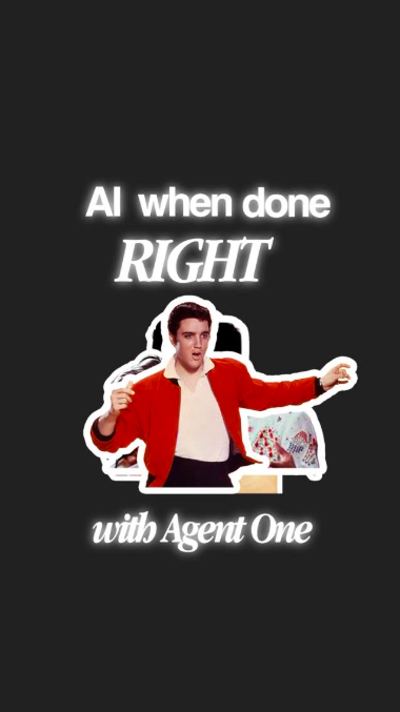
The first two were both, in the end, an ad for the fact that a new thing exists in the world. Both were repeatable - you could always write another placard, or stage another frustration - but neither was briefable.
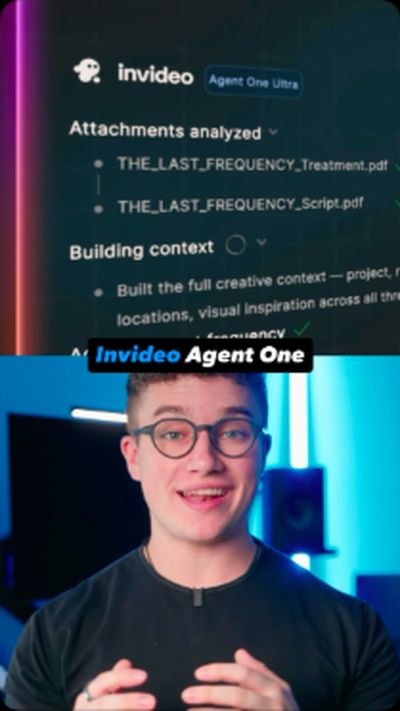
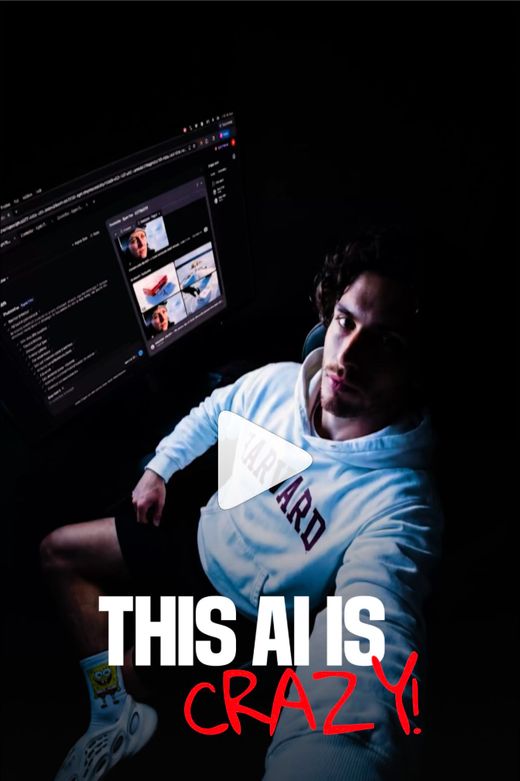
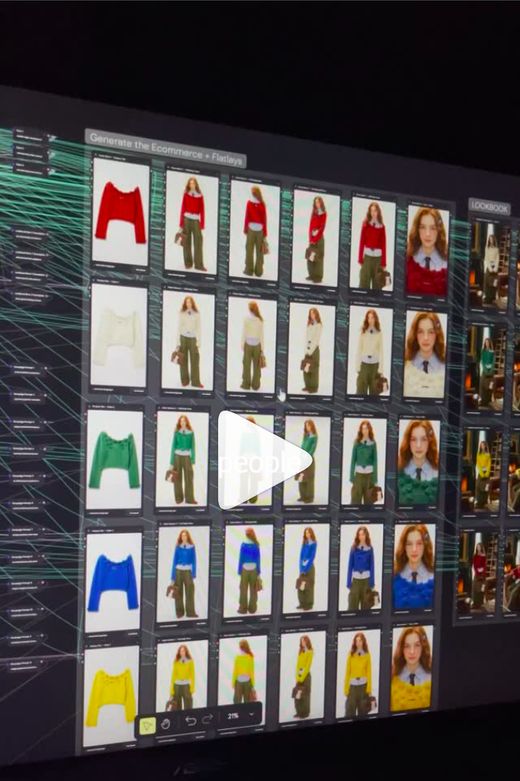
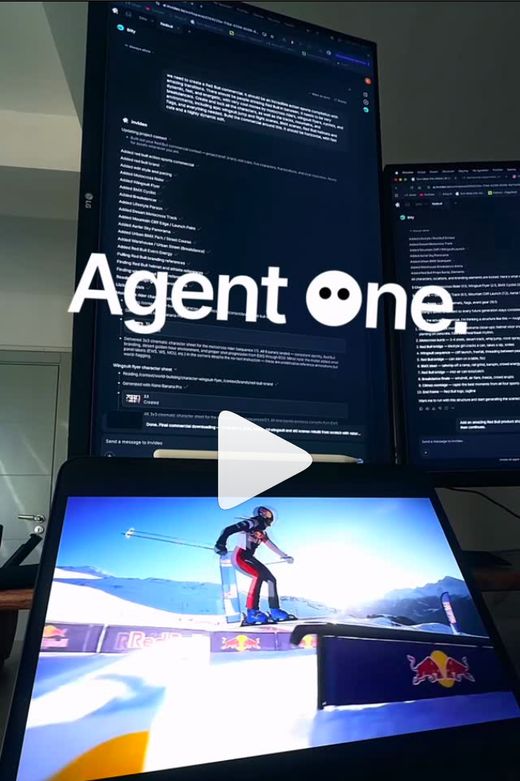
So: a format that actually showcases the project. Heavy UI. Real screen recording. Show how a project got built, start to finish. This became the densest product-marketing format of the five.
The reference was another creator filming their own screen on their phone while walking through a workflow they'd set up. Agent One was new to the market, people were still sharing prompts and workflows, and that was what was blowing up - so the same treatment could be borrowed, with the emphasis landing exactly where parameter 03 demanded: on the format, the UI and the real screen recording.


The Life-of-Pi-energy film shown here swaps out for any other project. Extremely duplicative - and this is the first variable a stranger can supply themselves.
Shippable in under a day. One editor, one project: half a day building it, then quick screen recordings, edit, ship by end of day. That speed is what let the format run at a cadence of a post a day.
Live in under a week. The same short turnaround let each creator ship their own post in under a day, which is how over 150 creators went live within a week.
It is not about time, and not about being the most creative. What is required is clarity - and then you get speed and scale and all of that.
This is the format leaving the page. The brief handed to creator partners was the post itself: phone films the screen, go deep on one project, show the whole build. Everything stayed locked except the one variable - the project, which was customised to whatever type of video or film each creator wanted to build.
M03 proved the format. The next question was how to make it tighter - cut every step between the viewer and the product in action, open straight on the chat with no explanation, and push for something extremely viral without dropping a single one of the three parameters.

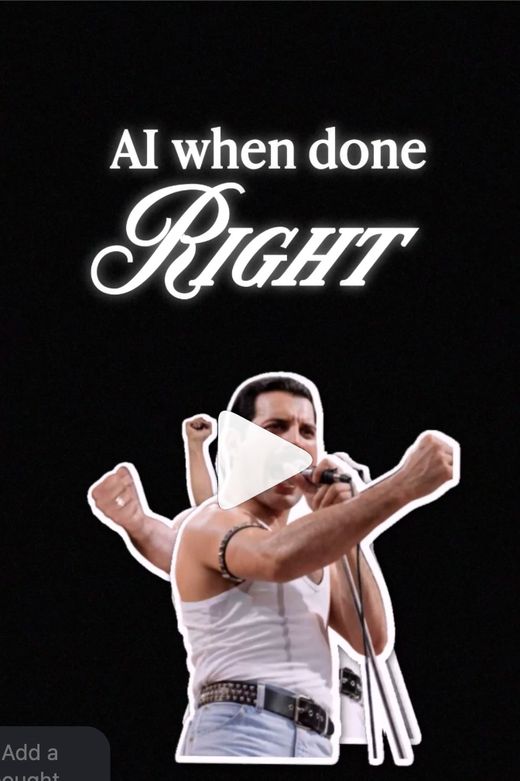
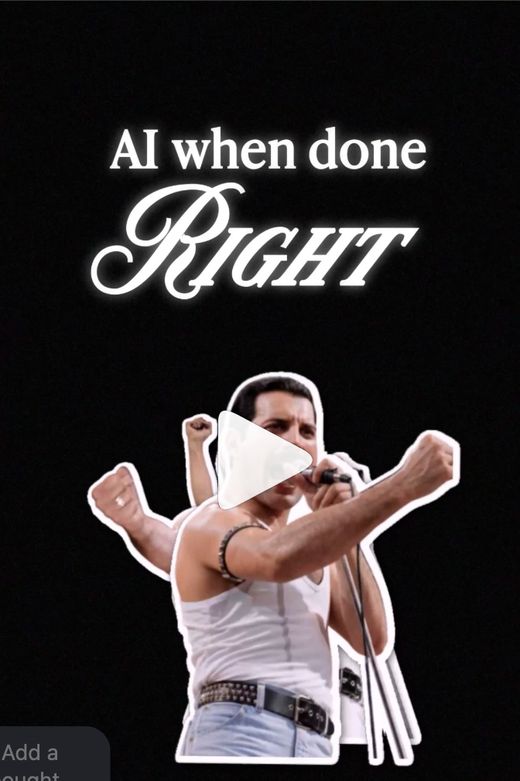
From the first frame, the whole video is the chat log building a Freddie Mercury tribute. No setup, no narration - differentiator 01 shown rather than claimed.
Highest watch time on the page - 15 seconds - and the strongest like rate of the five at 3.6%.
This came straight out of M03. The screen record worked, but it still spent time getting to the point: a phone filming a laptop, someone discovering the tool, a caption narrating the build. The question was how much of that could be cut while still showing the product doing the thing - how short can the distance get between the first frame and the product in action?
The answer was to start on the screen recording from the very first second, with nothing to explain. And to change what the video is about. The hero is no longer the project - it is the chat experience with invideo AI. You describe an idea, it fills in the blanks, translates it into prompts, and holds all of that context so every generation stays in tune.
That reframe bought permission to take liberties with the UI: not a literal phone-filmed screen recording in every instance, but the real chat interactions, treated more creatively.
With no narration left to carry it, the video needed an anchor that was instantly recognisable. Movies are. Music is. The idea itself arrived while listening to a Freddie Mercury song. What if the entire video is one conversation with invideo AI manifesting a Freddie Mercury tribute, perfectly beat-synced to Bohemian Rhapsody - no dialogue, the song carries it?
The chat does the storytelling on its own: references locked, character locked, the Live Aid stage set up. Then one line - “How do I make this more memorable?” - and Agent One adds Freddie's mother watching from the side of the stage. That beat shows the agent bringing creative judgment, not just executing prompts.
Shipped to a lot of creators, who mirrored it across their own favourite songs - a rap track, a pop track, whatever was theirs.
Familiarity on two axes at once: the song delivers instant recall the moment it starts, and the project being built is a visual for a song people already know.
The brief was the post itself: open on the chat, let the conversation with invideo AI build the whole video, and beat-sync it to a song everyone already knows. Everything stayed locked except the one variable - the track, which each creator picked from their own taste. Some even carried over the opening title card word for word.
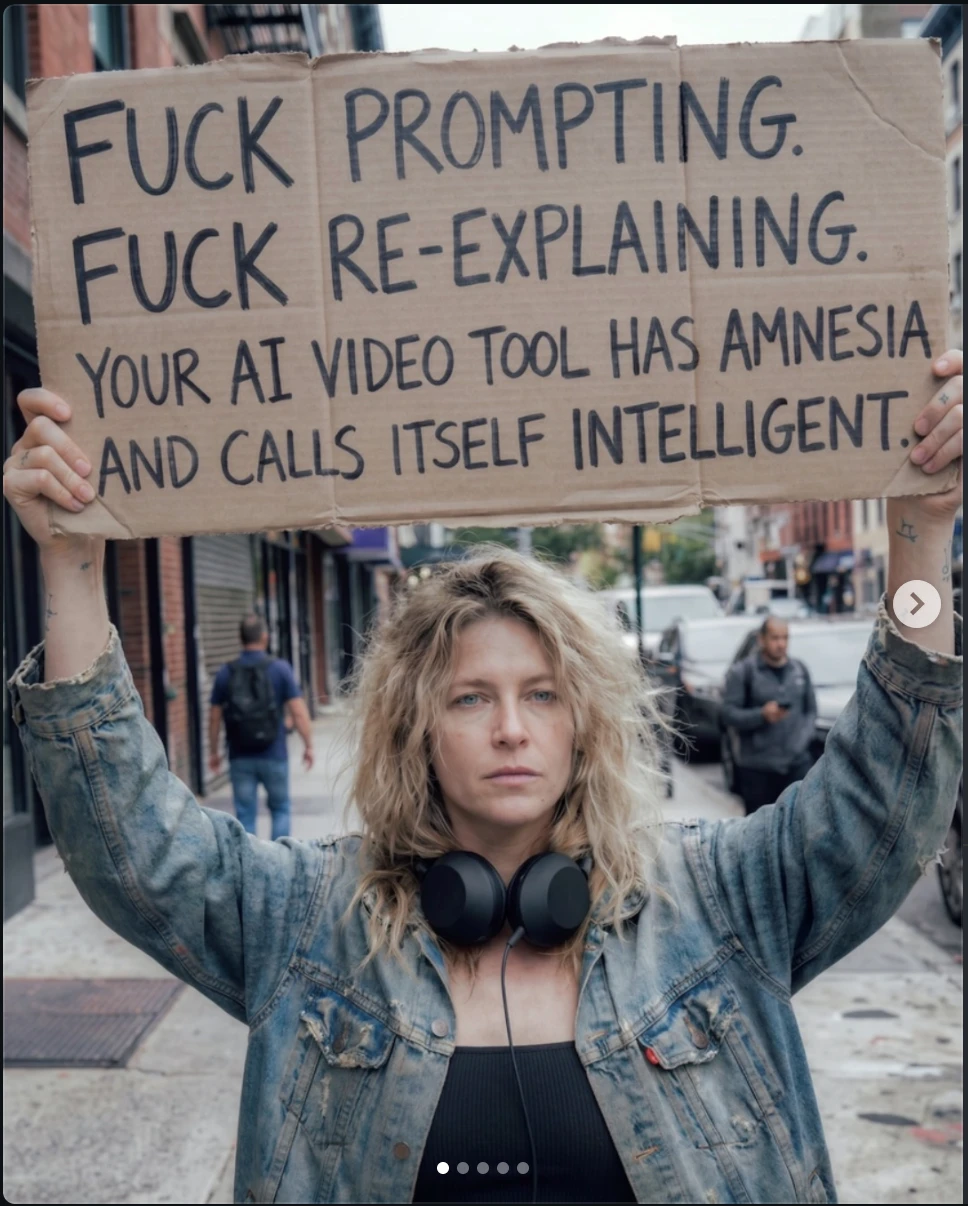
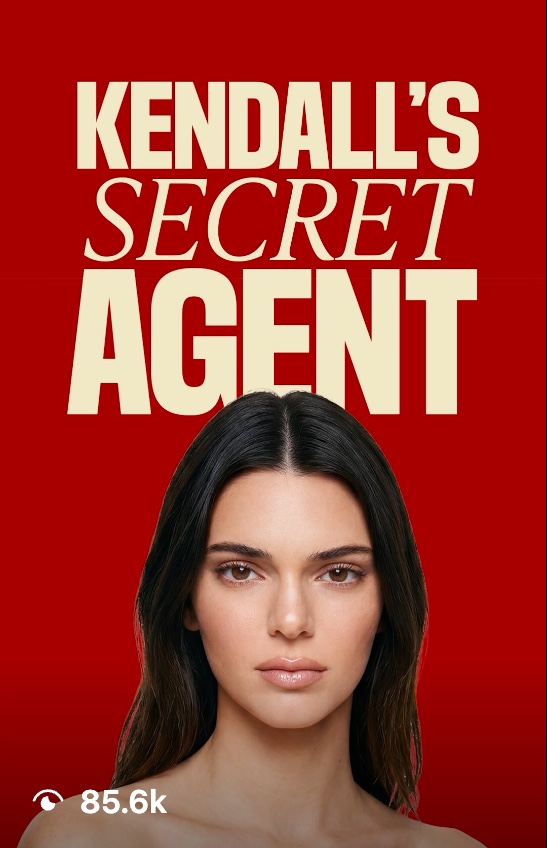
The same process as M04 - retain the chat-conversation format, elevate creativity and familiarity - but this time the fuel is a live pop-culture moment rather than a song.

Best post of the five on every single rate.
344 follows - 81% of all follows from one post. Share rate 2.8%, save rate 2.9%, lowest skip rate of the five.
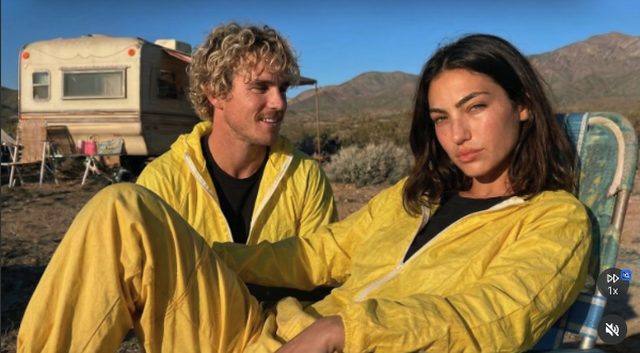
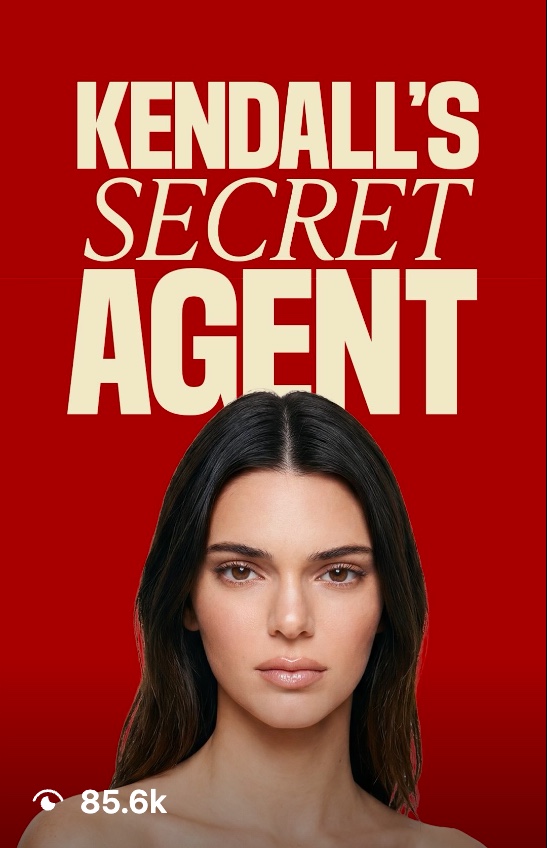
Two things landed at the same time. There was news of Kendall Jenner dating Jacob Elordi - something the feed was already carrying. And there was a reference video from another creator built as an interaction between two people, where all of the dialogue and even the outputs were AI-generated.
That construct was a great fit for exactly what had to be showcased. So the interaction was staged between Jacob Elordi and Kendall Jenner - and it ended up the best of all five manifestations.


Only the characters and the dialogue change. That is not a failure of creativity - for a brand, that is the job.
The brief handed out was the construct itself: two characters, AI-generated dialogue and outputs, the chat with invideo AI doing the work underneath. Everything stayed locked except the cast and the world they live in, which each creator built from their own taste.
This is the advantage of format-cracking that nobody talks about, and it is the one that changes the math of an entire launch.
The manifestations that showed real potential - the ones from M03 onward, where the swappable variable became something a stranger could supply - were scaled by shipping them as influencer marketing briefs. An entire round of 100 to 150 influencer marketing videos was executed off these as the reference.
That is only possible because the format is precise. You do all the grunt work and get to a very strong, very on-the-money manifestation of the creative insight and the creative execution - then you hand that exact thing to creator partners and to the performance-ads team, and borrow their distribution.
One cracked format, one reference video, an entire creator round executed off it. The main creative you can only crack on your own. Everything after that is distribution you can borrow.